Materials and process control
Temperature settings and crystallinity
PEEK is semi-crystalline, and the cooling history affects the structure of the molded part. Victrex's crystallinity explanation describes how inadequate mold temperature can create amorphous surface regions. Consistency across the tool matters, so a controller setpoint should be supported by evidence that relevant cavity surfaces reach the intended condition. A universal crystallinity percentage is unsuitable as a purchasing shortcut; the grade, section thickness, process and agreed test method define the acceptance approach.
Grade data provides more useful temperature guidance than one generic PEEK recipe. For example, the Victrex 150GL30 data sheet lists a 380°C nozzle setting and a 170–200°C mold range among its typical laboratory processing conditions. Those numbers describe that grade's guidance and are distinct from melt measurements, polymer melting temperature and final service limits. The supplier must establish the actual process window for the part.
Preparation and time in the machine
Material preparation needs a recorded drying method and protected transfer to the press. The selected resin producer's instructions govern the target condition. A purchase specification should also define whether colorant, recovered runners or regrind are permitted, with any restrictions carried into the setup and release records.
Victrex's injection-molding processing guide emphasizes matching the machine's material capacity to total shot weight and controlling thermal residence. For small components, a large barrel can leave material hot for too long even when the machine has ample pressure and temperature capability. Startup, interruption and shutdown procedures therefore deserve review alongside normal cycle settings. Purging and handling equipment also need controls against contamination from other resins.
The approved process record should distinguish machine settings from observations on the part. Changes to a temperature or pressure setting may be necessary during development, but release needs to identify the accepted window and the response to a deviation. This gives production staff a usable basis for action after a stoppage or equipment repair.
Tooling and maintenance
The tool concept should show gates, runners, vents, ejection and thermal-control equipment. Fine features and reinforced compounds can make wear at gates and shutoffs particularly consequential. Replaceable elements and defined inspection points help keep maintenance aligned with the dimensions on the drawing.
A cold runner consumes material on each cycle and needs a decision about disposal or approved recovery. A hot runner can reduce that material stream, while adding heated passages, controls and maintenance. The supplier's comparison should include startup waste, changeovers and handling as well as steady-state material use. The preferred design depends on the actual shot and operating pattern.
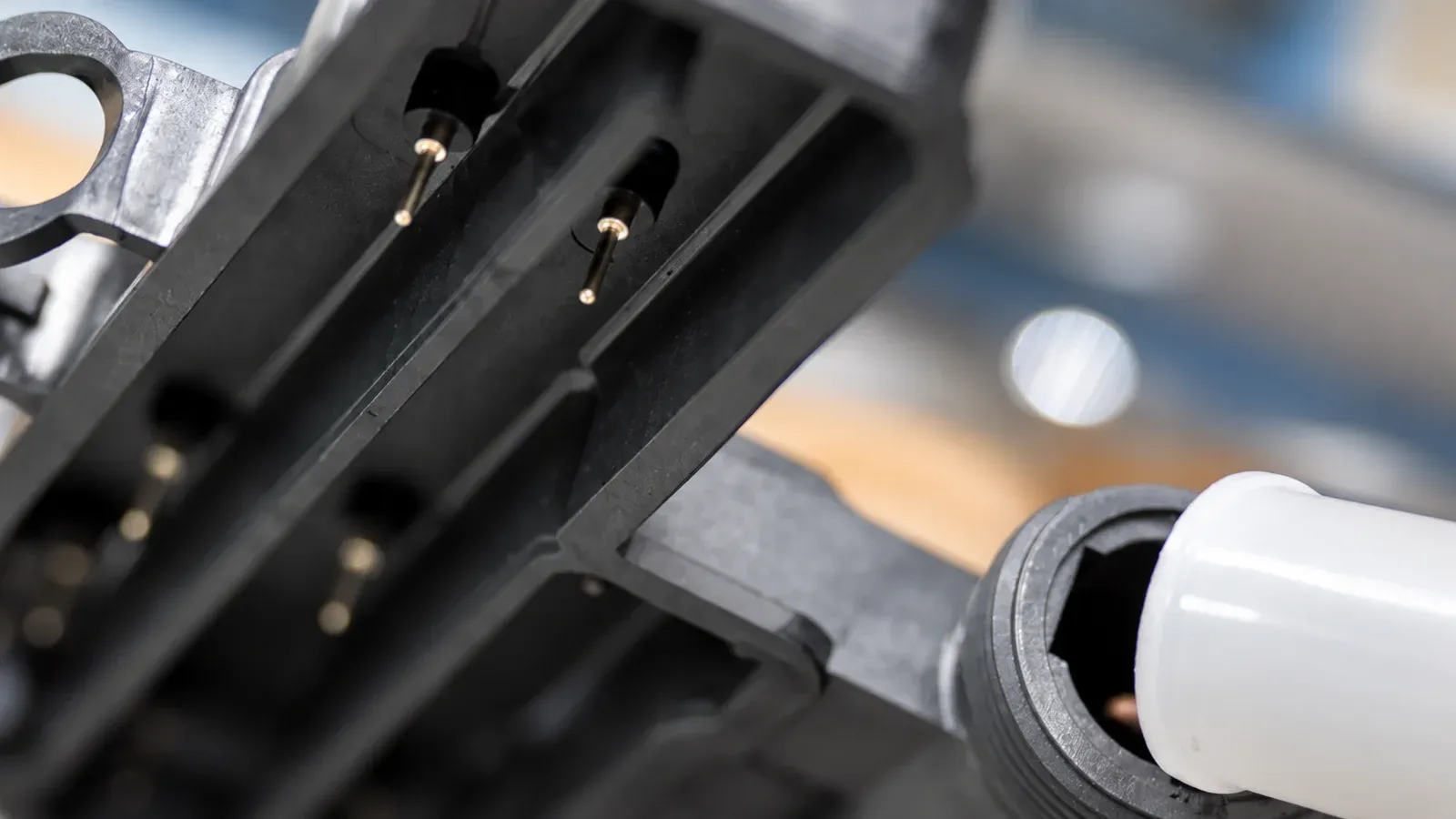
Metal inserts introduce a further thermal and dimensional interface. The insert and its finish must tolerate the process, remain correctly located and meet their functional requirement after cooling. The resulting assembly needs appropriate retention, leakage or electrical tests; a satisfactory dimension on the plastic alone leaves that interface unverified.