Babyplast Micro Injection Molding Machines for Precision Parts
Explore Babyplast's horizontal and vertical micro injection molding machines, autonomous injection units, modular technology and LSR options for precision parts.

Explore Babyplast's horizontal and vertical micro injection molding machines, autonomous injection units, modular technology and LSR options for precision parts.
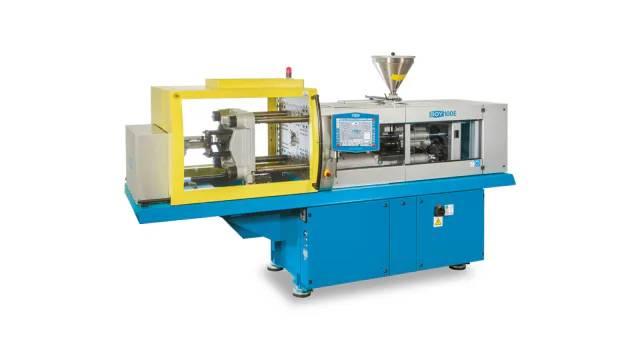
A practical overview of DR. BOY horizontal, electric and vertical injection molding machines, 2K add-on units, controls and machine selection.
View articles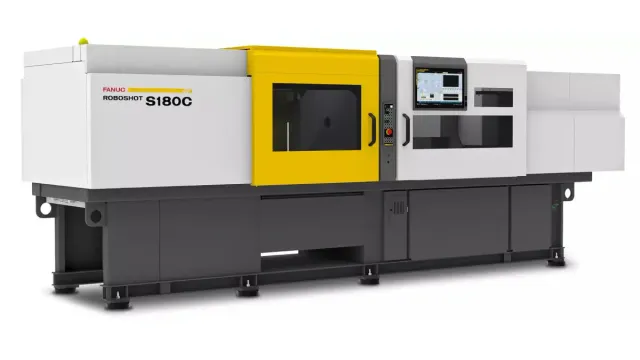 Sponsored
FANUC’s Fakuma 2026 display tackles two key production challenges: cavity monitoring and automated transfer of finished parts into packaging.
View articles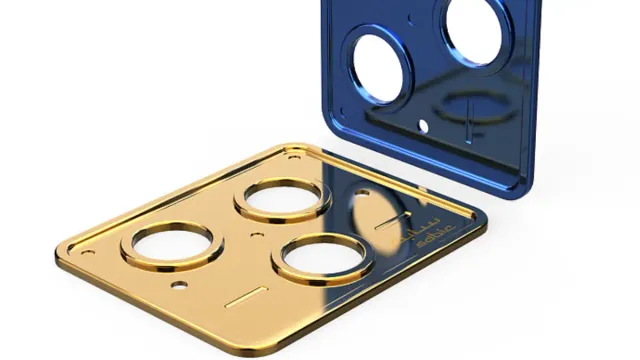
Babyplast micro injection molding machines bring a compact, configurable approach to precision parts. The range includes horizontal presses, vertical machines for insert overmolding, and autonomous injection units that can add another material to an existing molding cell. Each application can be matched to its part, material, mold and handling requirements.
Babyplast's horizontal range includes 6/12–6/25 and 10/12–10/25 families, with hydraulic and hybrid configurations. Interchangeable injection groups and pistons let a processor select the dosing arrangement for the required shot volume. In the hybrid models, a brushless motor drives injection with encoder-controlled position; other machine movements remain hydraulically driven. Babyplast also offers horizontal liquid silicone rubber (LSR) configurations.
For a part that needs a metal insert, cable or other component placed before molding, the vertical 6/12–6/25 V range offers an accessible mold area and configurations with a V-table or electric rotary table. The right choice depends on the insert, the tool and how parts will be loaded and removed. Vertical and horizontal layouts serve different production tasks; the part drawing should guide the selection.
The autonomous injection unit range offers another route to multi-component molding. Babyplast describes units that mount at the mold or machine bed and work with a standard injection molding machine. Hydraulic, hybrid and LSR variants are available. The unit, interface and mold layout should be specified together for the intended materials and sequence.
Babyplast's micro-injection technology separates plasticizing from piston injection. The plasticizing unit can be configured for the material, while the injection piston has position measurement and adjustable injection and holding parameters. That modular design gives the team a way to match material handling and dosing to a small component, rather than treating every part as the same molding problem.
Babyplast describes a footprint below 0.6 m² for its compact machine. A complete production cell still needs room for guarding, material feed, cooling, part collection and any automation. Planning those elements around the mold helps turn a compact press into a practical production setup.
The published range covers technical thermoplastics as well as configurations for LSR and other specialized materials. For LSR, Babyplast lists both a premixed cartridge arrangement and a pump-and-mixer system. The suitable configuration depends on the compound, dosing method, run length and tooling. Material compatibility and the finished part's quality requirements should be confirmed for the exact machine and process proposal.
Bring Babyplast a drawing, resin or LSR grade, target part weight, tolerance requirements and expected production volume. Add the mold concept, insert-handling steps and any need for a second material. The team can then review the clamp, injection group, tooling interface and peripheral equipment as one system.
Explore the Babyplast product line and discuss the proposed configuration with the manufacturer before specifying a production cell.
Product photos: Babyplast / Rambaldi + Co IT srl.
ULTEM DU762 is designed for high-volume injection moulding and PVD metallisation, with SABIC positioning the PEI grade as a lighter alternative to metal frames.
View articles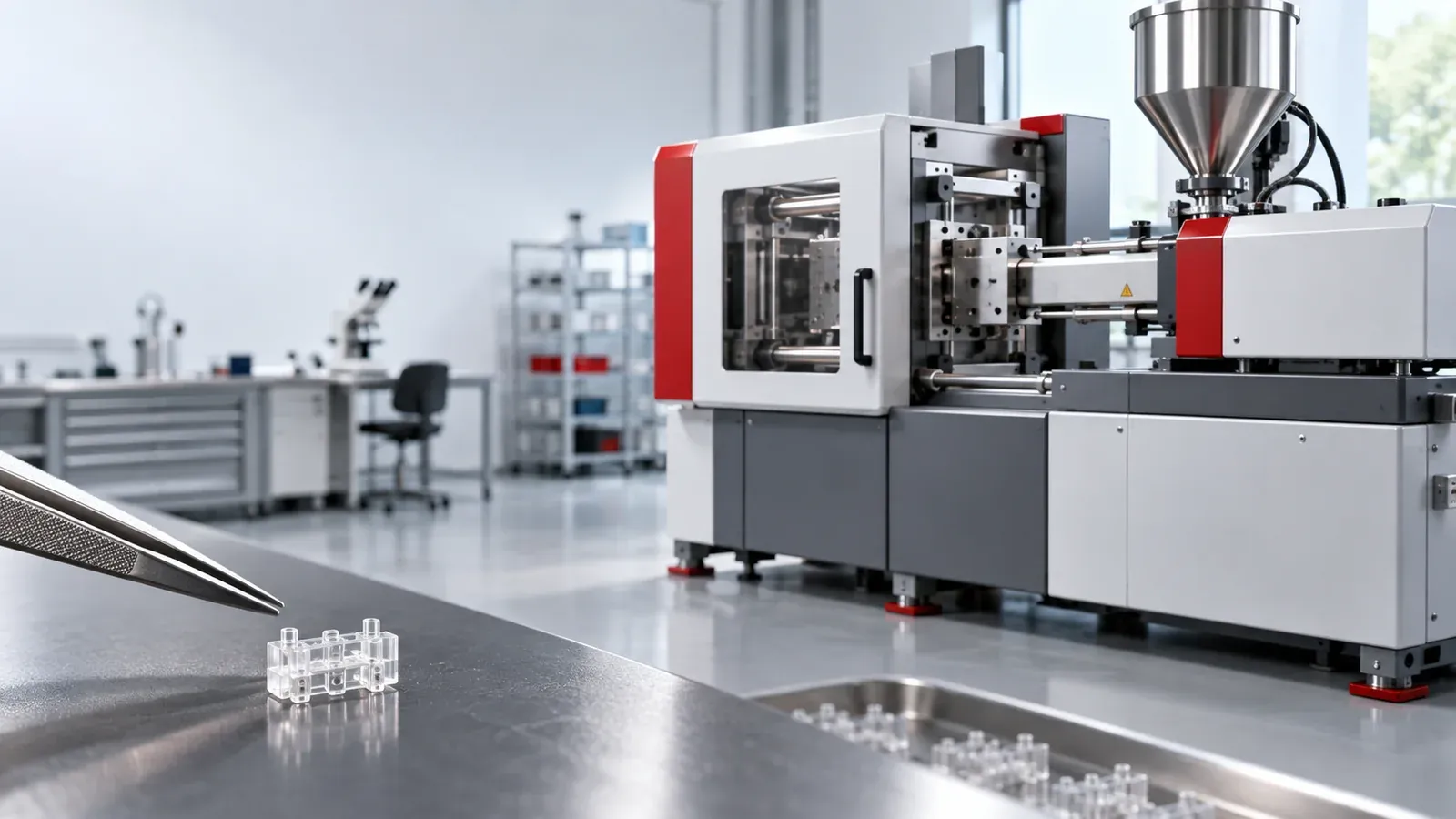 Micro Injection Molding Machine Manufacturers: Top 10
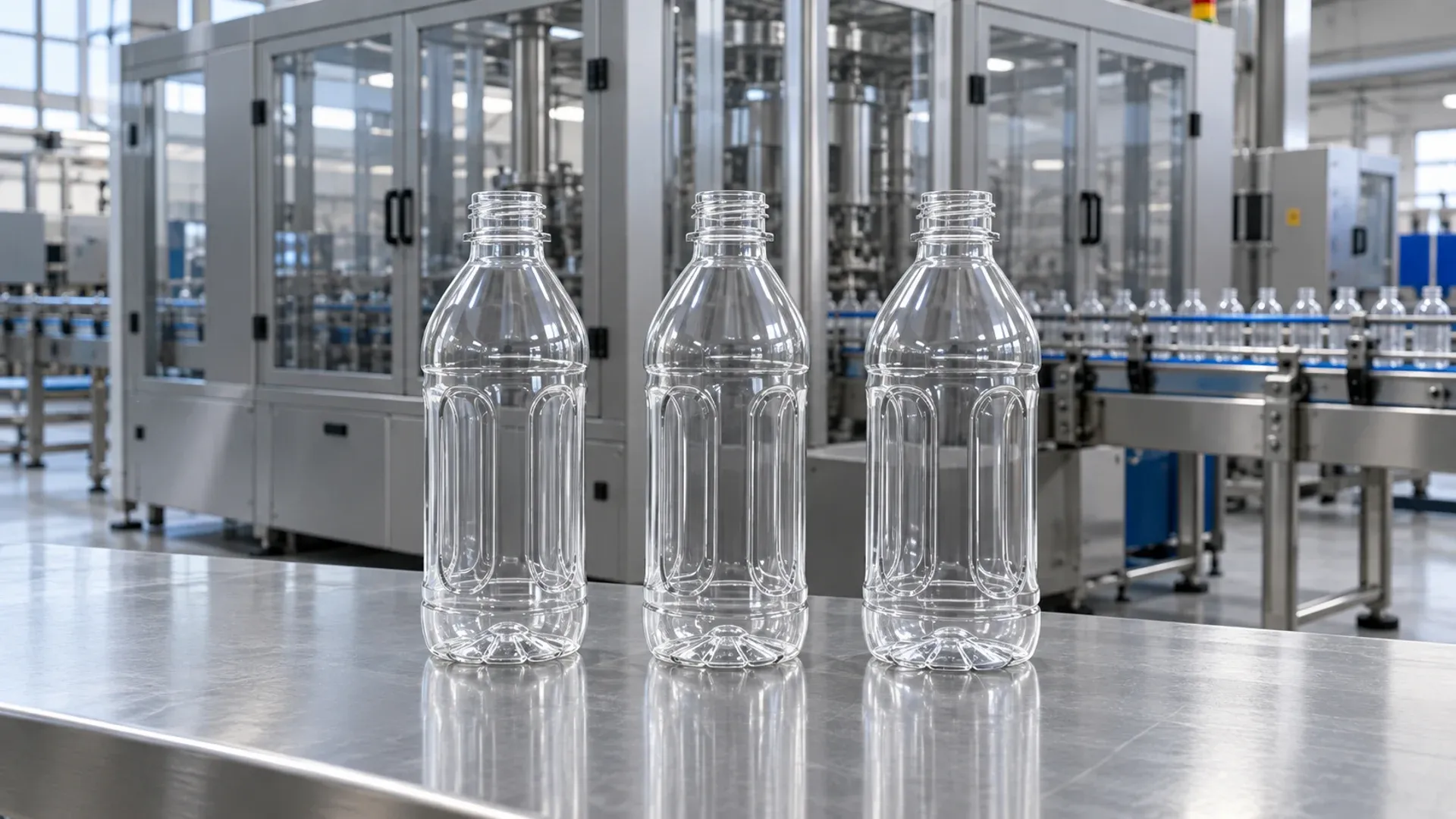 PET Hot-Fill Bottle Blowing Machine Manufacturers: 10 Suppliers
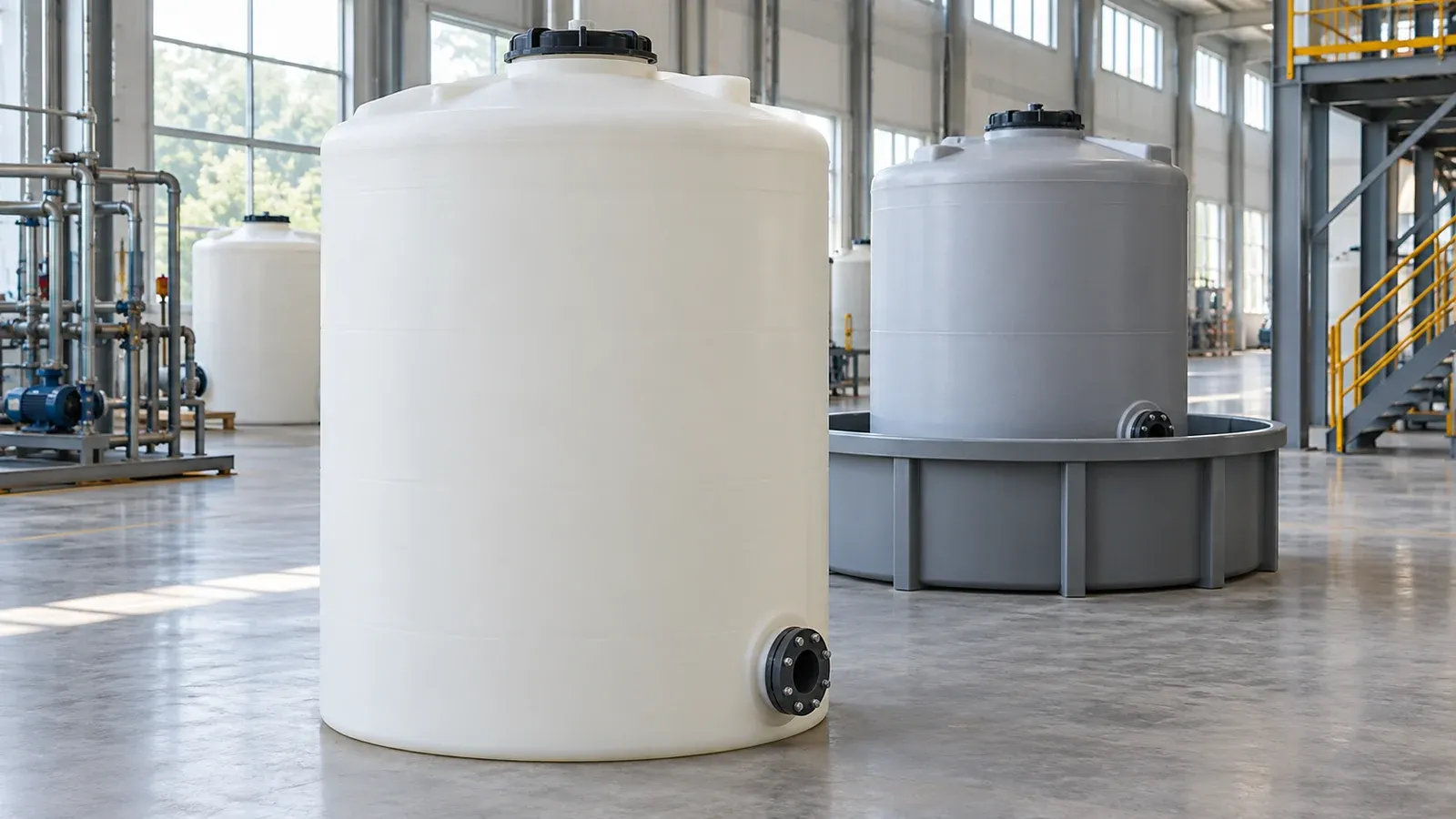 Rotomolded Chemical Storage Tank Manufacturers: 10 Suppliers
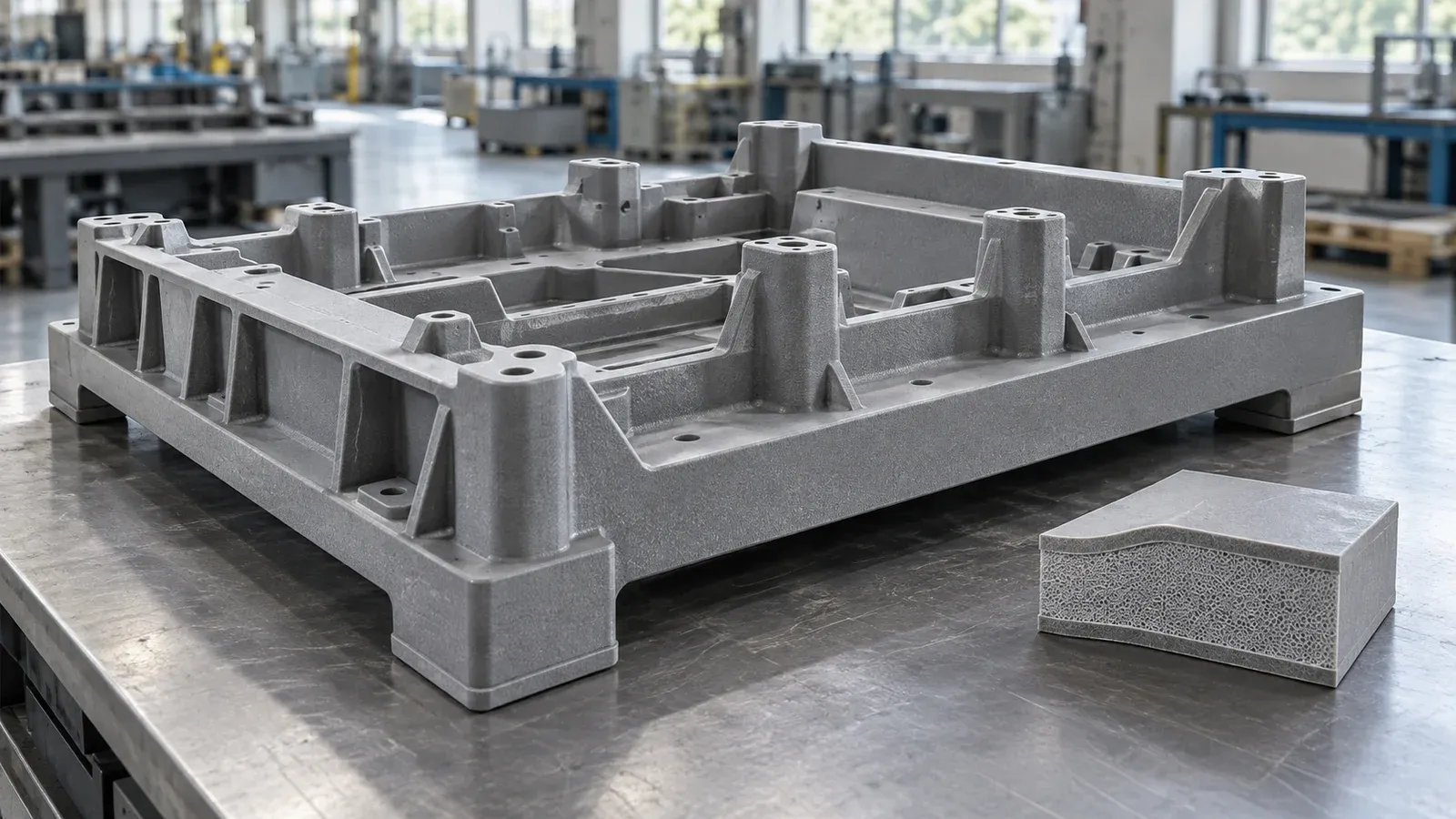 Structural Foam Molding Companies: Top 10 Suppliers
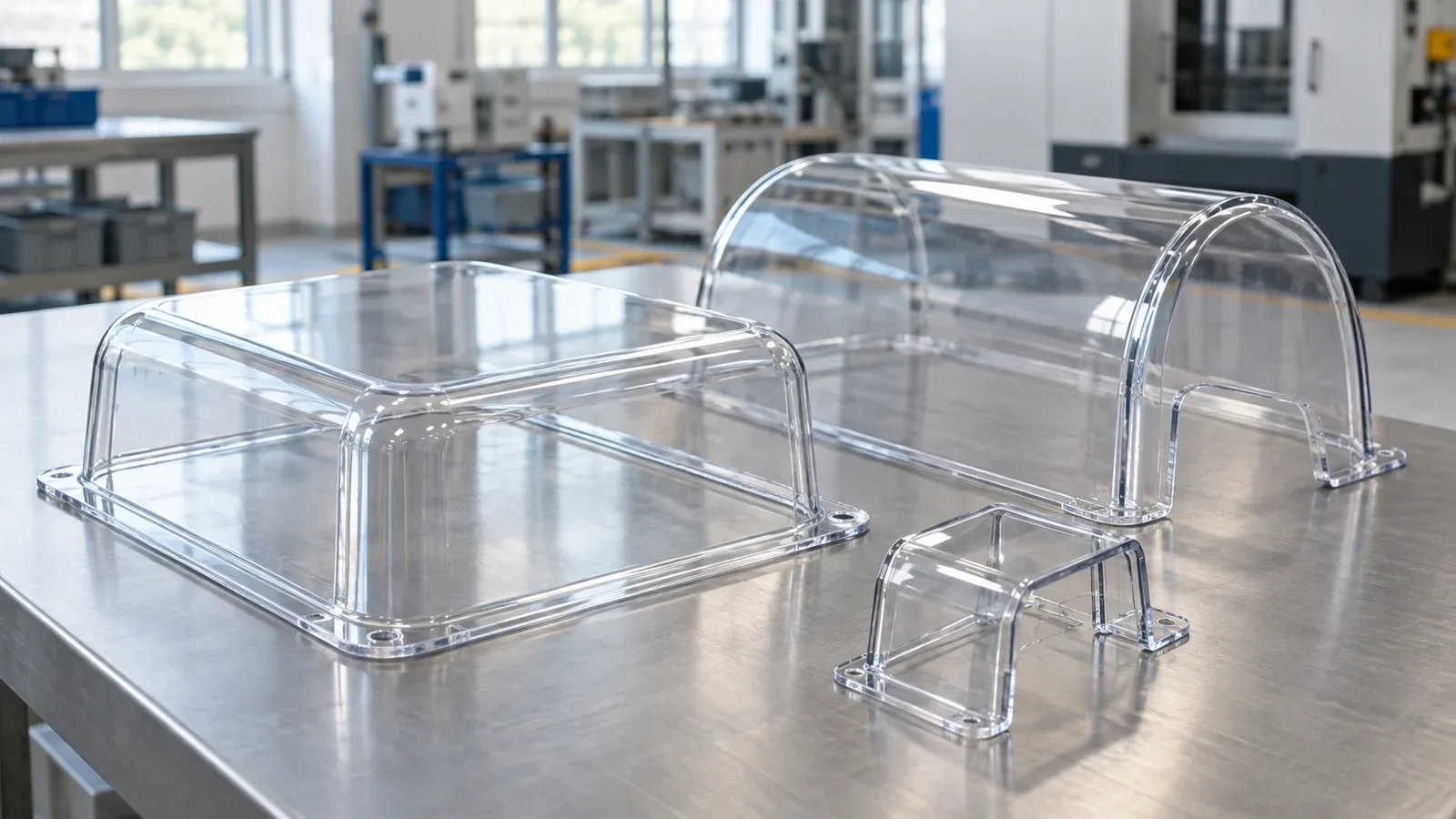 Polycarbonate Thermoforming Companies: 10 Suppliers to Compare