Giebeler: Injection Mold Engineering, Toolmaking and Plastics Production
Giebeler GmbH combines injection mold engineering, toolmaking, trials, plastics production, measurement, assembly and tool service at its Eschenburg site.
 Post RFQ
Giebeler GmbH combines injection mold engineering, toolmaking, trials, plastics production, measurement, assembly and tool service at its Eschenburg site.
 Sponsored
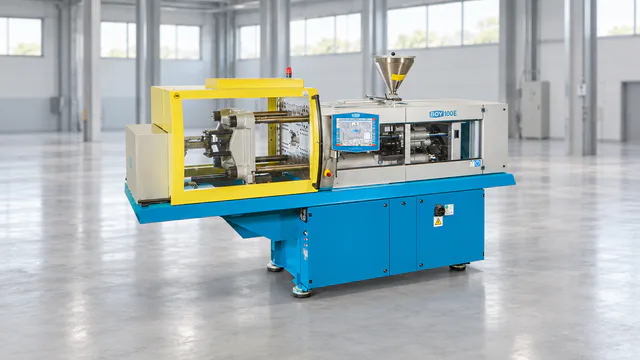
A practical overview of DR. BOY horizontal, electric and vertical injection molding machines, 2K add-on units, controls and machine selection.
View articles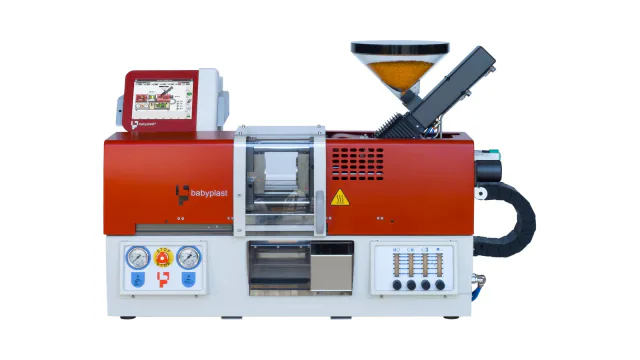
Explore Babyplast's horizontal and vertical micro injection molding machines, autonomous injection units, modular technology and LSR options for precision parts.
View articles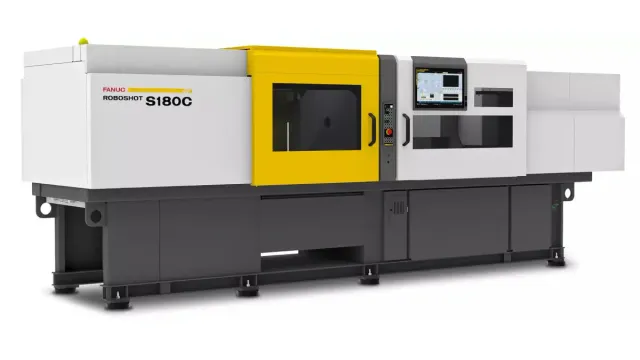
Giebeler — toolmaking and plastics technology.
Giebeler GmbH is a family-owned company founded in 1956 and based in Eschenburg, Germany. Its work spans the practical stages behind custom injection-molded components: creating the mold concept, building and testing the tool, producing parts, measuring them, assembling components where required and maintaining the tooling in operation.
The company’s toolmaking and plastics technology teams work alongside one another. This connects the design of a mold with its trial parts, production use and later service work.
Giebeler begins its toolmaking work with the component and product requirements. The company develops injection mold concepts and reviews component data for injection molding. Its engineering work includes mold construction, Moldflow and Coolflow simulation, and warpage calculations.
Design changes are documented during the project. This gives the customer a record of the proposed tool concept as it moves from the initial design work towards manufacture. Simulation is used during this stage to assess the component and the planned mold before the tool is built.
A technical discussion around a component and its digital model.
The company manufactures single- and multi-component injection molds, including tools for gas-assisted injection molding. It also describes modular mold concepts with interchangeable cavities for small and large production runs.
Within its own toolmaking operation, Giebeler assembles and fine-tunes molds and matches tool families. The company states that it can manufacture molds weighing up to 15 tonnes. The right tool layout, material and production approach are determined for each component rather than by that capacity figure alone.
Newly manufactured molds are trialled in Giebeler’s in-house technology centre. The company samples tools according to customer requirements and checks components as the mold is prepared for series production. Parts can be measured optically, tactually or by scanning during the trial process.
Customers can participate in mold acceptance at the site or digitally. The trial stage brings together the finished tool, sample parts and measurement results before the mold enters regular production.
An open injection mold during a trial-stage process.
Giebeler produces custom injection-molded plastic components from small batches to ongoing series production. Its published information lists more than 40 injection molding machines with clamping forces from 300 to 16,000 kN.
Dimensional inspection forms part of initial sampling and production monitoring. Giebeler uses 3D scanning, optical systems and tactile measurement, and prepares measurement reports and inspection records to the customer’s requirements.
The company also assembles plastic components it manufactures into ready-to-install subassemblies. Depending on the project, assembly is carried out by trained personnel or automated equipment at the Eschenburg site, followed by testing of the assembled unit. Pad printing, painting and electroplating are offered in cooperation with service partners.
Dimensional inspection work in a manufacturing environment.
Giebeler maintains and repairs its own injection molds as well as tools made by other manufacturers. Maintenance can be carried out at the company’s facility or at the customer’s site. The work may include replacing worn components, and service work is documented to customer requirements.
The company also offers worldwide tool-service support. This provides a continuing service route after a mold has been built or placed in production, whether the tool originated at Giebeler or elsewhere.
Giebeler’s published services describe a connected sequence: engineering and simulation, toolmaking, trials, injection molding, inspection, assembly and tool service. The exact scope is set with each project, while the core work remains centred on injection molds and the plastic components made with them.
Sources: Company · Toolmaking · Plastics technology · Service · Giebeler profile on PlasticParts
FANUC’s Fakuma 2026 display tackles two key production challenges: cavity monitoring and automated transfer of finished parts into packaging.
View articles Micro Injection Molding Machine Manufacturers: Top 10
 PET Hot-Fill Bottle Blowing Machine Manufacturers: 10 Suppliers
 Rotomolded Chemical Storage Tank Manufacturers: 10 Suppliers
 Structural Foam Molding Companies: Top 10 Suppliers
 Polycarbonate Thermoforming Companies: 10 Suppliers to Compare