Heavy Gauge Thermoforming: MAAC Demonstrates Forming and Twin-Sheet Processes
MAAC's April SPE workshop demonstrated part forming and single-oven twin-sheet processing. What buyers should document when planning their own equipment trial.

MAAC's April SPE workshop demonstrated part forming and single-oven twin-sheet processing. What buyers should document when planning their own equipment trial.
 Sponsored
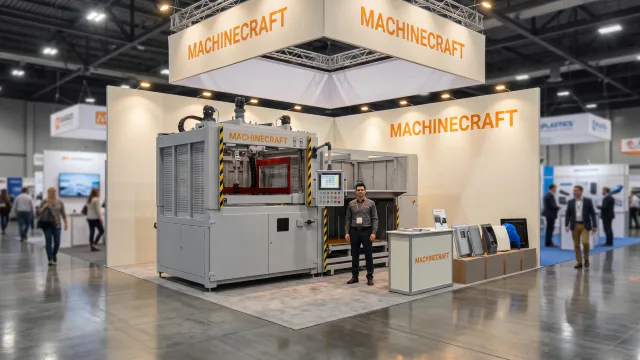
Machinecraft outlines its PF1-X demonstration in Orlando, with servo automation, heavy-gauge forming and an ex-show machine offer subject to availability.
View articles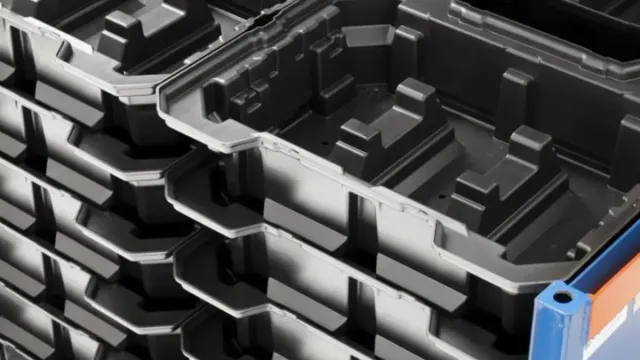 Sponsored
KTPconTeyor has launched a dedicated thermoforming company in Germany, adding in-house capability for reusable transport packaging, custom trays and dunnage systems.
View articles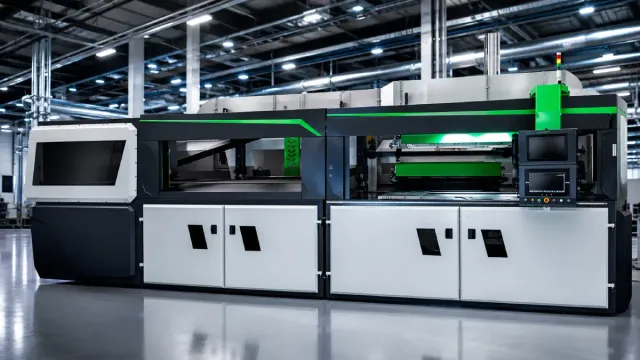
Heavy gauge thermoforming was the focus of an SPE workshop hosted by MAAC Machinery on April 15, 2026, with live forming and twin-sheet demonstrations. The company published its event report on April 23. For processors considering equipment trials, the demonstrations offer a useful starting point: what should a supplier prove with your material and tooling before you order a machine?
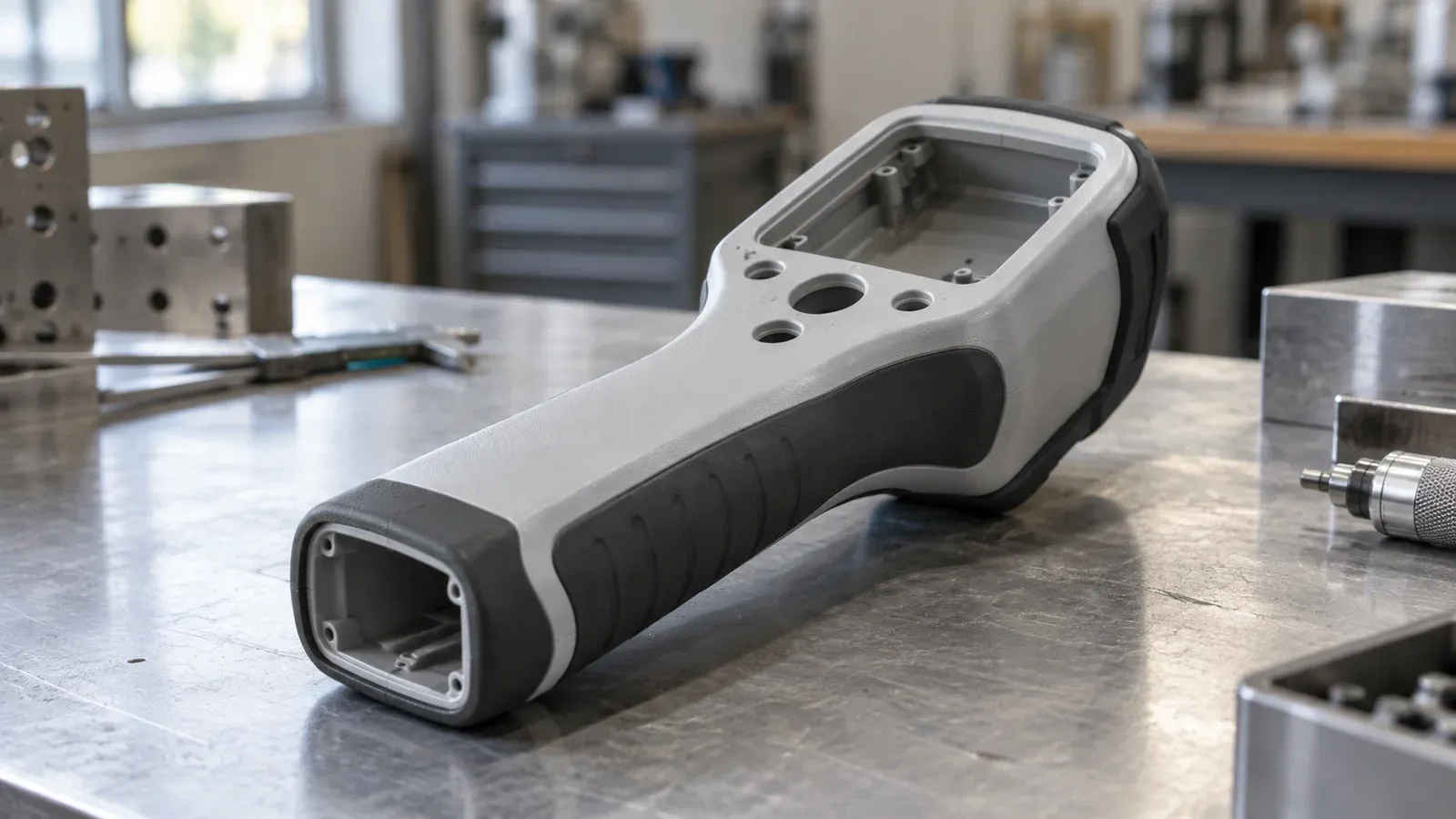
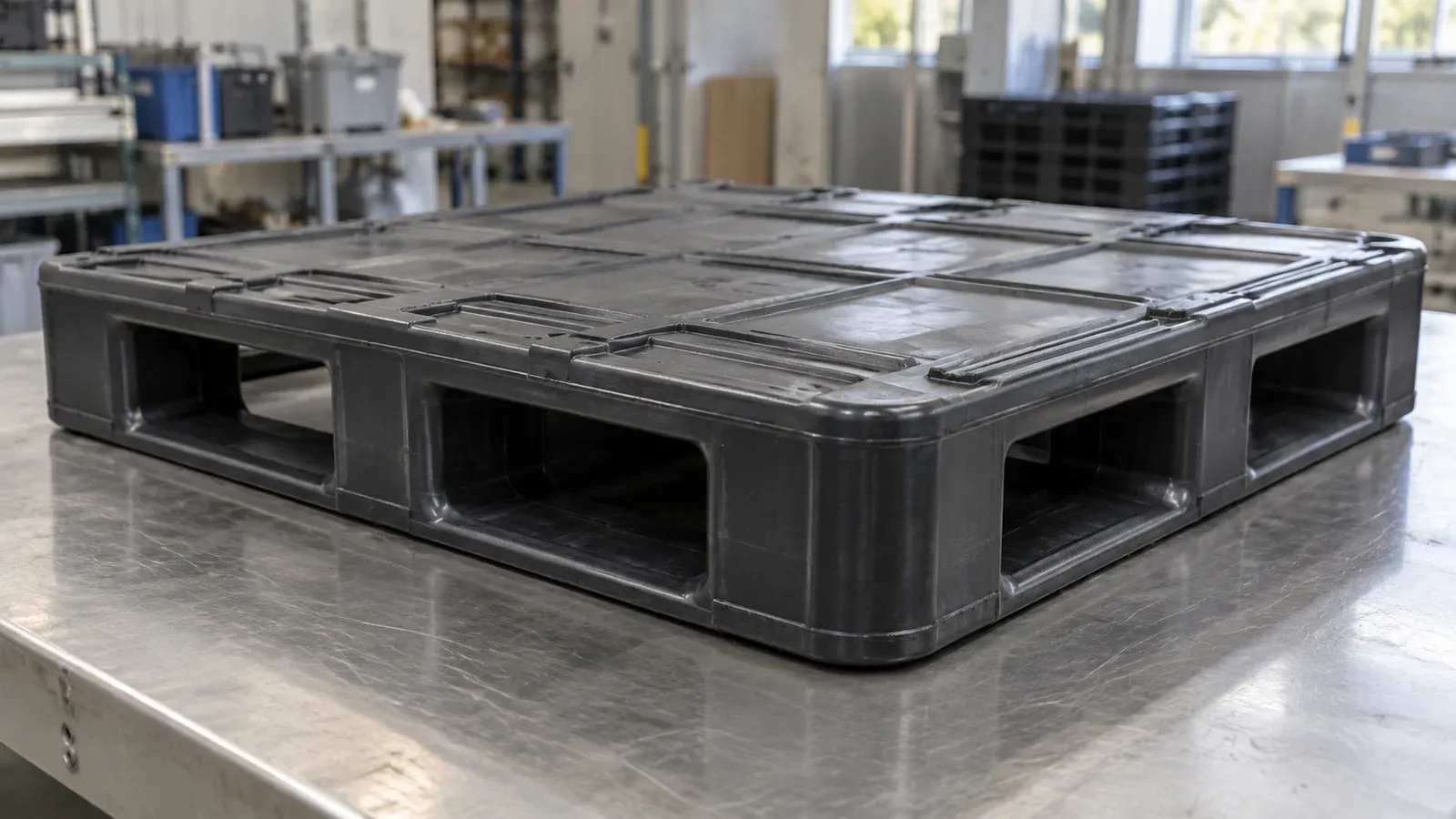
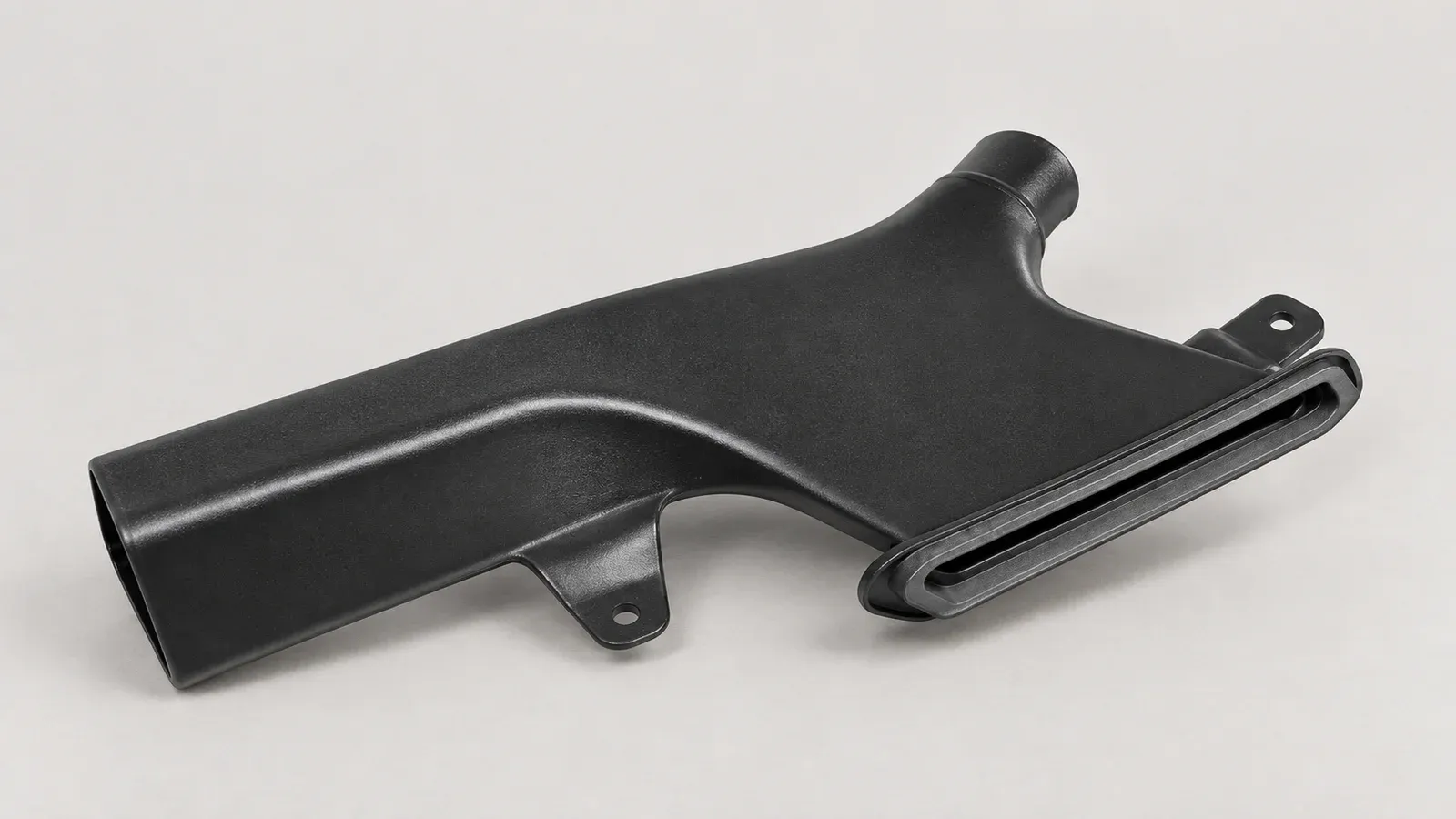
MAAC demonstrated part forming on a C106R3, using a mold supplied by Portage Casting & Mold and sheet from SIMONA PMC. A separate demonstration used the C44SPT-O for single-oven twin-sheet forming, with material supplied by Primex Plastics. Jim McArthur led that session.
The event also included factory tours and opportunities to discuss process questions. MAAC's workshop report documents the machines and contributors, but does not provide a production trial dataset. It should not be read as evidence of a particular cycle time, scrap reduction or finished-part tolerance.
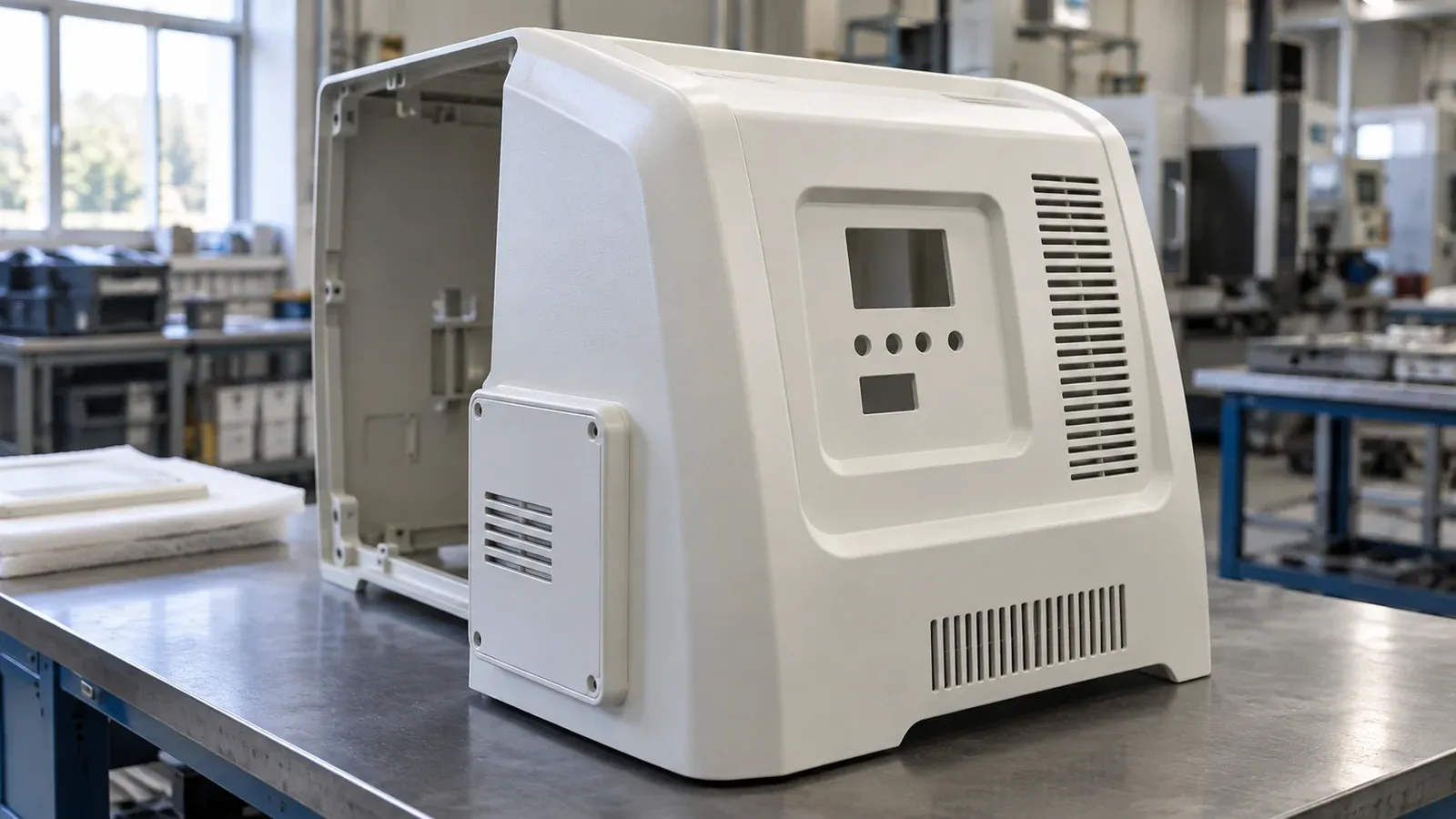
On its Shuttle Twin Sheet page, MAAC describes an arrangement that holds an upper and a lower sheet in one frame and transfers them together in a single index. Its listed configurations include loading at the forming station or a separate loading station, with double-ender options providing a second forming station.
That description establishes the machine layout. Whether a layout suits a particular part is a separate engineering question. A buyer still needs to review sheet handling, tooling, the required joining areas and the finished component's acceptance criteria with the supplier.
The following is PlasticParts Hub's practical commentary, not a transcript of the workshop or a claim about its results.
Start with a written sample-part brief. Include the drawing revision, resin grade, incoming sheet thickness and the surfaces that matter to the customer. Specify whether the trial is intended to assess appearance, dimensional consistency, joint integrity or a combination. Agree how each requirement will be measured before the machine runs.
For a twin-sheet project, ask the supplier to show how it will assess the joining areas. If the component must contain air or liquid, define the relevant leak-test procedure rather than relying on a visual inspection. If the part carries a load, identify the intended loading conditions and agree who is responsible for validating the finished design.
Separate machine time from the rest of the work. Ask for a trial record that identifies loading, heating, forming, cooling and unloading, alongside any trimming or inspection performed away from the machine. Record the operator involvement as well. This gives the production team a clearer basis for planning than an isolated cycle-time number.
Finally, ask to review consecutive samples, not only the best-looking part. Specify what measurements and photographs should accompany them, and record any adjustments made during the run. Keep a list of unresolved items: different production tooling, an untested sheet grade or a handling step still performed manually. Those qualifications belong next to the results, not in a later email.
For anyone comparing MAAC thermoforming machines, the next useful step is a discussion about the actual part, material and trial scope. The April demonstrations identify processes to investigate; a documented application trial is where the purchasing team can test its own requirements.
Find company details on the MAAC Machinery profile, or consult the manufacturer's linked technical information before requesting a trial.
Photo: MAAC Machinery. SPE workshop, April 15, 2026.

Tools Factory’s ENERGYLINE vacuum thermoforming series has been nominated for Poland’s “Teraz Polska” promotional emblem, highlighting its energy-saving dynamic heating system.
View articles